AdvancedFree plan
Advanced PPL
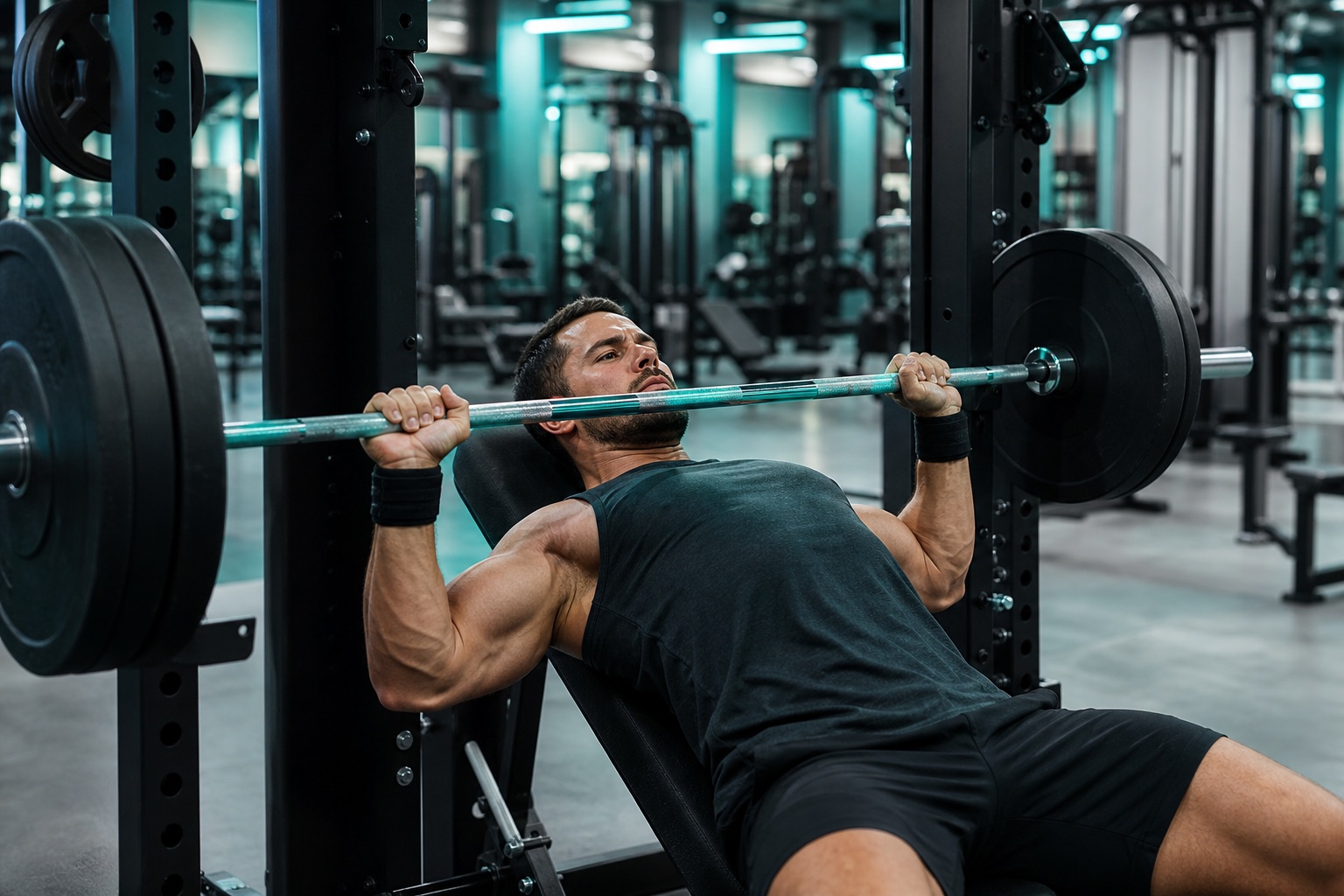
A dense six-day hypertrophy PPL with extra pressing, pulling and leg accessories. Intended for experienced lifters already recovering from similar frequency.
6 weeks6 days / week80 min
Explore this plan


Choose a plan, make it fit your week, and build consistency one workout at a time.
A dense six-day hypertrophy PPL with extra pressing, pulling and leg accessories. Intended for experienced lifters already recovering from similar frequency.

Chest/back, shoulders/arms and legs/core rotate twice each week. This six-day adaptation keeps the recognizable split while using a more manageable exercise menu than a contest-era routine.
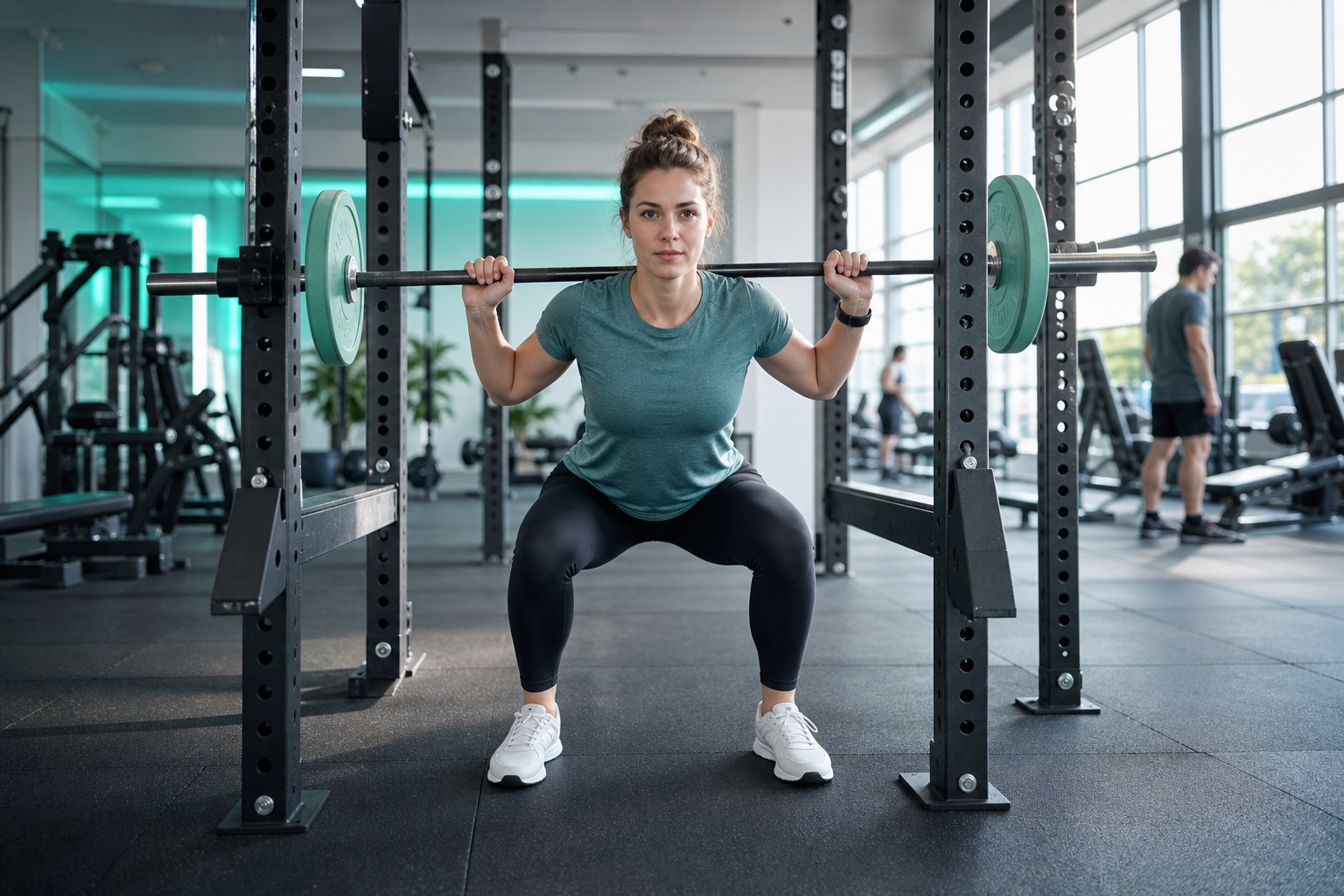
Three full-body days introduce squat, hinge, press, pull and a short trunk finisher. Double progression keeps the first months simple for generally healthy beginners.
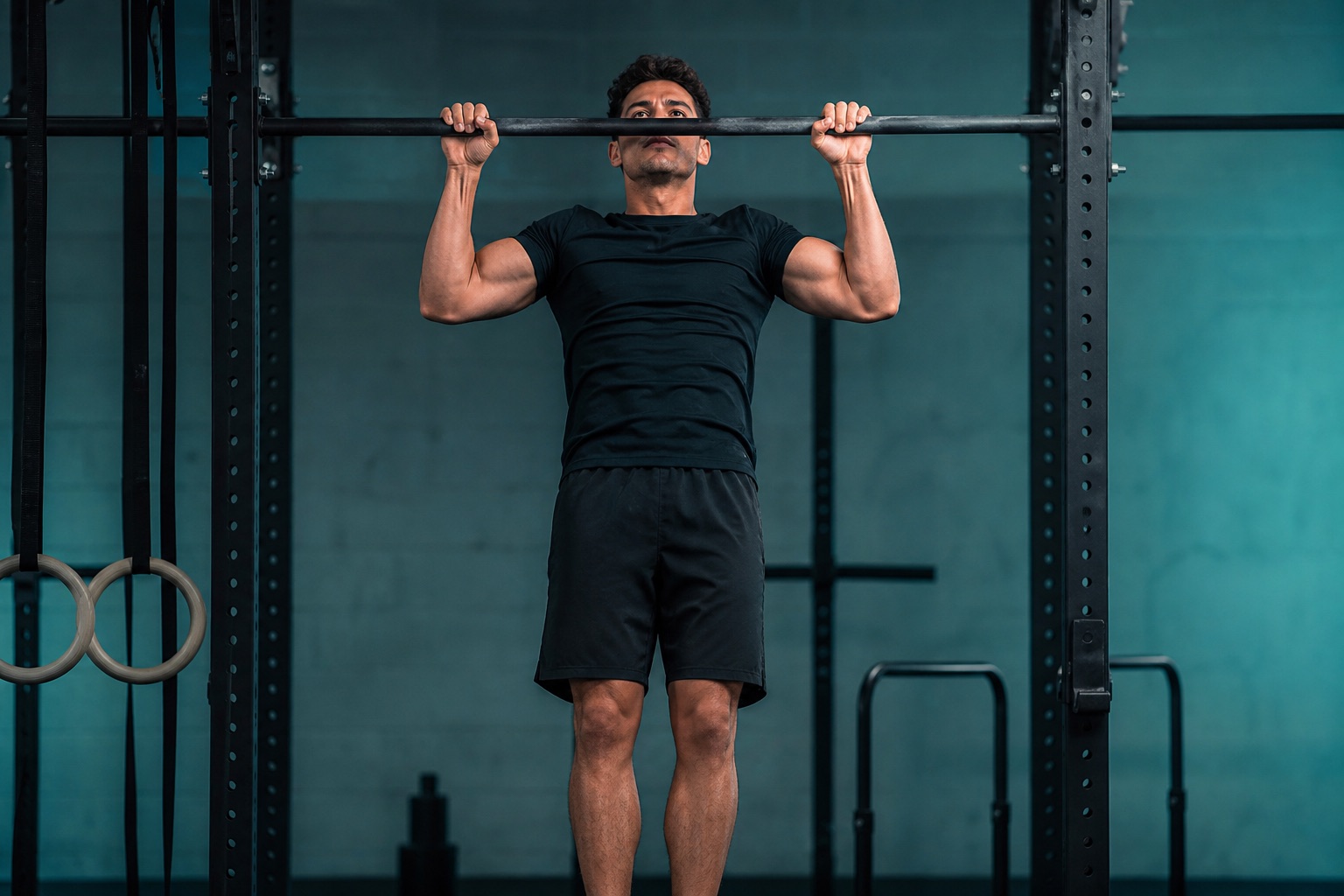
Three nonconsecutive days pair squat and pull-up, hinge and row, dip and push-up. Choose a variation that leaves repetitions in reserve; do not replace the vertical pull with extra push-ups.
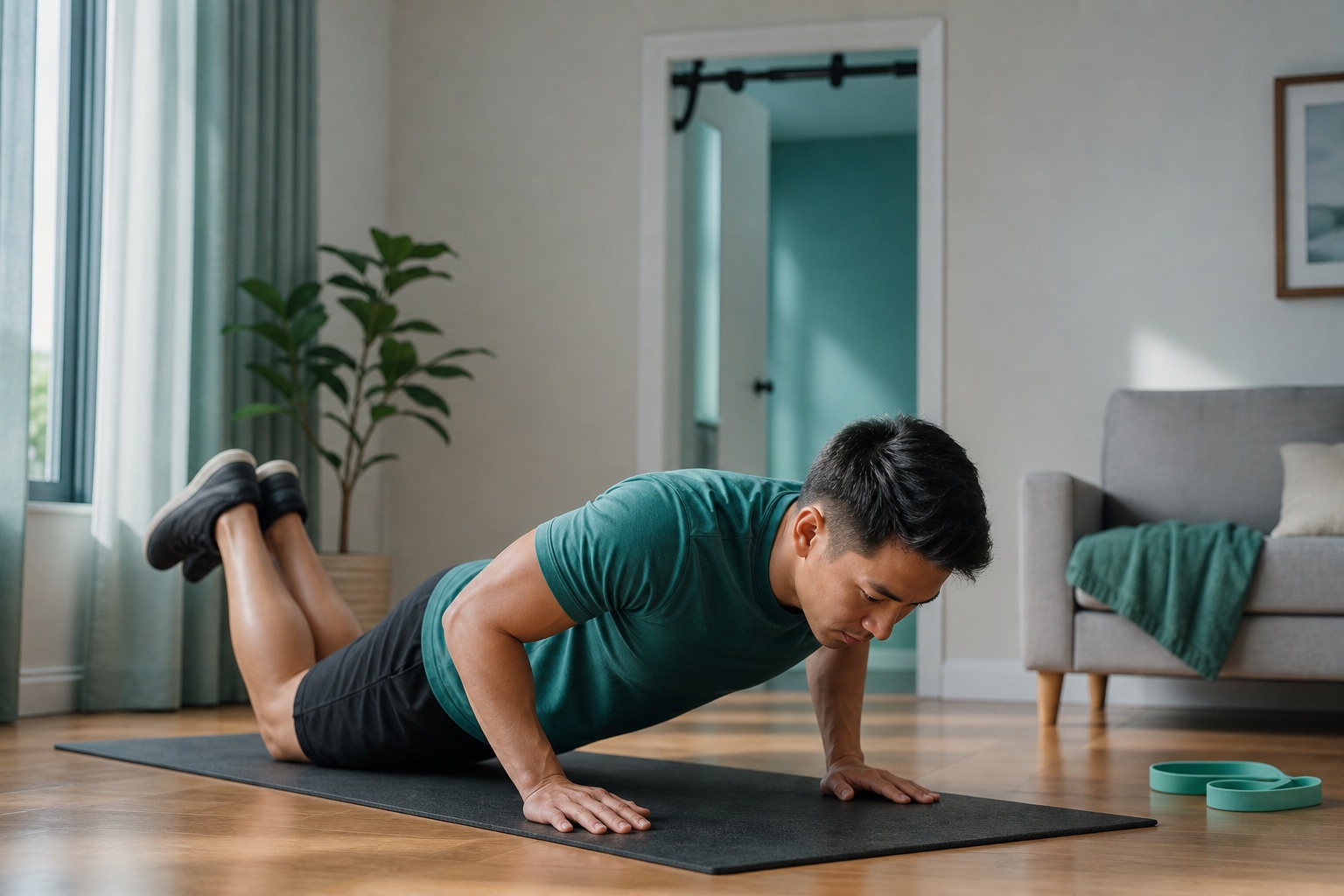
An easier three-day introduction to squat, horizontal push/pull and a vertical pull. Assisted and kneeling variations are the default; progress repetitions before leverage.

Chest, back, shoulders, legs and arms each get a dedicated day. Useful if you prefer body-part focus and can train five times weekly without needing a strength-peak template.
Three nonconsecutive days alternate squat/bench/row with squat/press/deadlift. Small load increases follow completed sessions; a missed set is repeated before the next increase.

Two weeks of easy bar and floor work after time away from training. Choose easier variations; this is a return-to-practice block, not skill coaching or rehab.

A two-week gym return after ordinary inactivity. Easy compound sessions rebuild the habit; this is not rehabilitation after injury.
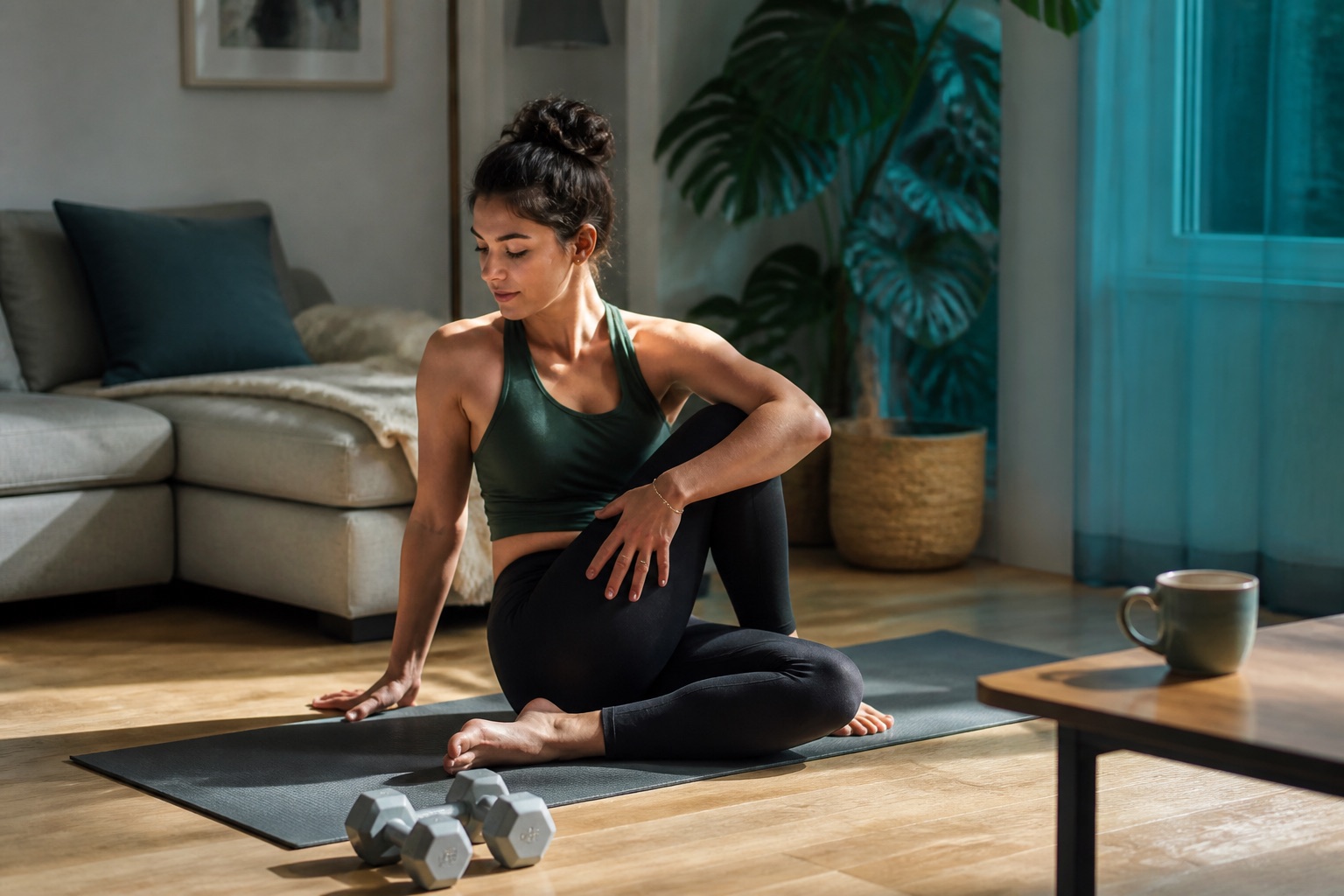
A short home return using dumbbells and bodyweight. Sessions stay easy and stop well before failure. Not rehabilitation.
A denser three-day dumbbell PPL with extra pressing and pulling volume. Still one push, one pull and one leg day each week.
Push, pull and legs twice each week with dumbbells. The second exposure of each pattern uses slightly higher repetitions so the week stays repeatable.
Three weekly dumbbell sessions split push, pull and legs. A concise menu for a bench, a pair of dumbbells and a pull-up bar.
Three compact dumbbell sessions keep squat, hinge, press and pull patterns alive with only a bench and dumbbells. No pull-up bar is required.
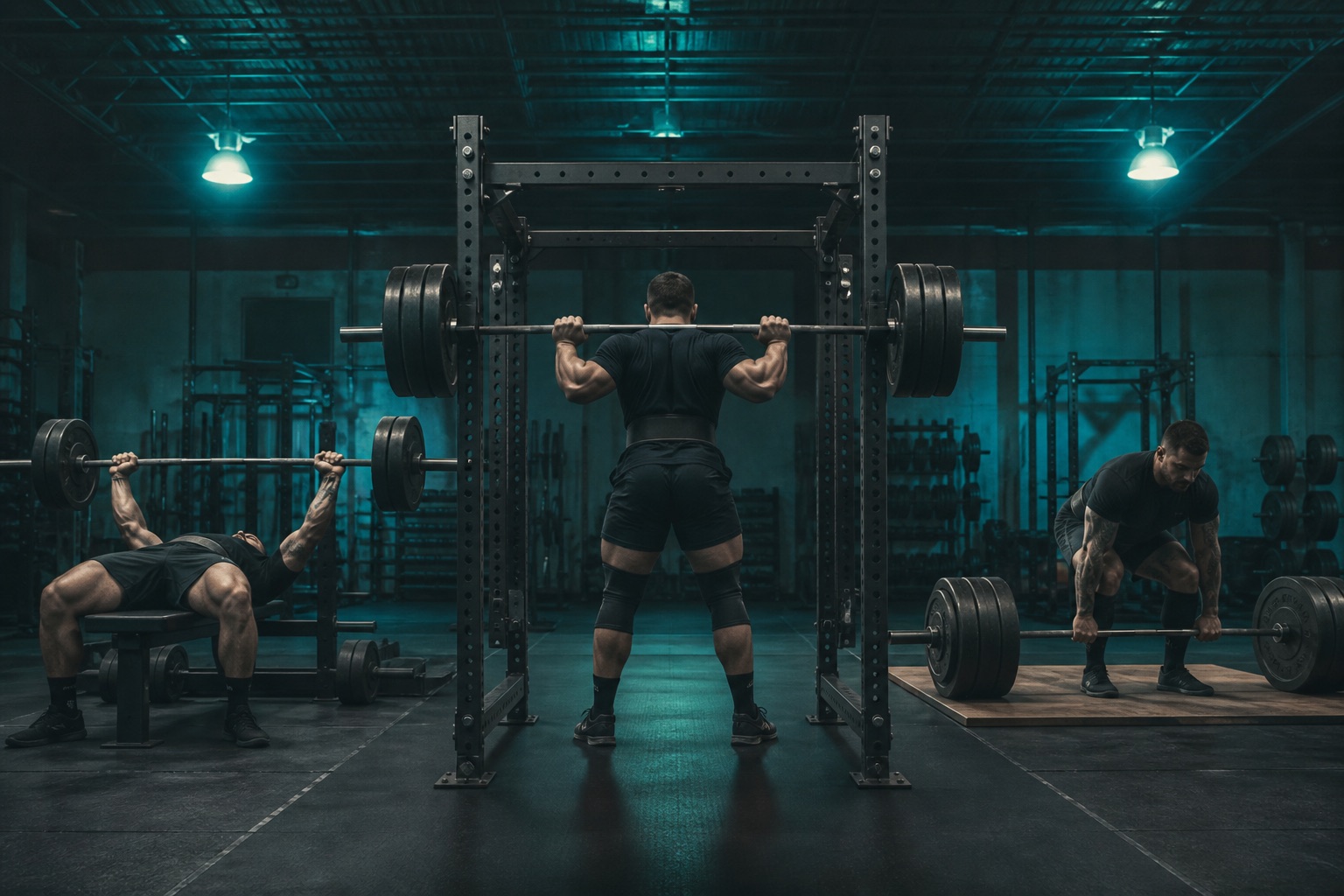
Heavy squat, press and hinge practice three times each week, with rows and a brief lower-body accessory. Ten weeks provide a finite logbook without implying an original author duration.
Alternating full-body sessions establish squat, press, hinge and pulling practice. The selected novice version uses weekly progression and keeps accessory work concise.
A compact alternating full-body routine built around dumbbell presses, unilateral legs, rows and a true vertical pull. Three weekly sessions provide repeated movement practice without a large machine setup.
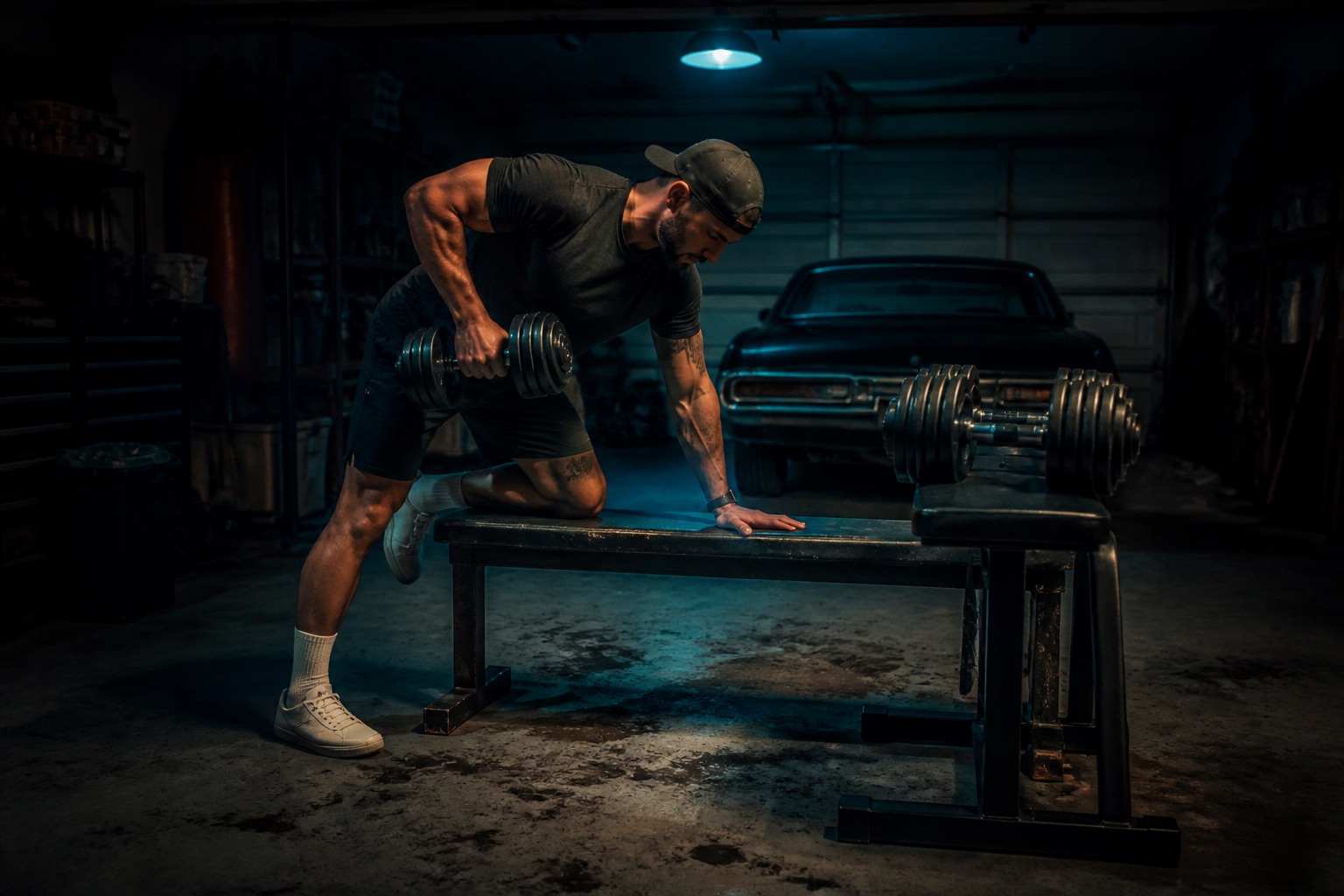
A three-day dumbbell bodybuilding split with chest/triceps, back/biceps and a longer legs/shoulders session. Descending repetition targets are preserved separately for every working set.
An intermediate upper/lower cycle mixing heavier compound sets with moderate-repetition assistance. A gradual two-week entry prepares for six weeks of logbook-based progress.
Three weekly lower-body biased sessions mix hip thrusts, squats, hinges and lateral hip work, with a short upper-body maintenance pair. Twelve weeks is an editorial training block.
Four days keep glute-biased lower sessions and a dedicated upper day so pressing and pulling do not disappear. Volume is split to keep each session shorter than the three-day version.
Six repeatable basic movements form a simple full-body routine on three nonconsecutive days. The app keeps the historical structure while making modern substitutions and repetition targets explicit.

Two weekly full-body sessions use few working sets after a thorough warm-up. The six-week block is for lifters who recover better from low volume than from frequent pumping work.
Three weekly sessions wave squat, bench and row volume toward a heavier Friday top set. Deadlift and overhead press appear once each week. The twelve-week calendar is a tracking block, not a claimed original contest cycle.
Two full-body sessions cover squat, hinge, press and pull without a long accessory list. Built for busy weeks when more than two gym visits is unrealistic.
A simple three-day novice plan built around squat, press, bench, deadlift and row. Adds small load jumps after successful sessions and keeps extra work off the bar.

Two power days and three hypertrophy days combine low-repetition lifting, speed practice and accessory volume. This demanding five-day split is for lifters already accustomed to frequent training.
An upper/lower split combining heavier strength practice with higher-repetition muscle-building sessions. Each region is trained twice weekly across a source-defined twelve-week block.
A six-day push/pull/legs rotation for lifters who already tolerate frequent training. Each pattern appears twice per week with a strength-biased first exposure and a slightly higher-repetition second exposure.
An upper/lower wave with four weekly sessions. Main lifts change repetition targets each week; assistance work stays moderate so recovery can support the wave.
Four days keep the nSuns ladders on bench, squat, overhead press and deadlift while dropping the fifth volume day. Accessories stay short so the percentage work remains the priority.
Five weekly sessions pair a heavy training-max ladder with a secondary lift and concise accessories. The plus sets, not a tested one-repetition maximum, drive the next week's percentages.